Last Updated: November 1, 2026
Quick Summary
The pest control vs diy difference is simple: store-bought products kill pests you can see, while professional service targets why they keep returning. DIY suits occasional, minor sightings, but established, recurring, or hidden infestations need inspection-based professional treatment.
The pest control vs DIY treatments effectiveness question comes down to one gap: store-bought products kill what you can see, while professional service targets why pests keep returning. At Emery Exterminating, we have seen that gap play out in homes and commercial buildings over our decades as a family-owned business.
The market reflects how many people try the DIY route first. According to Cognitive Market Research’s DIY pest control products analysis, DIY pest control products were valued at $8,743.92 million in 2021 and are projected to reach $11,171.70 million by the end of 2026. Spending is rising, yet repeat infestations remain the most common complaint we hear.
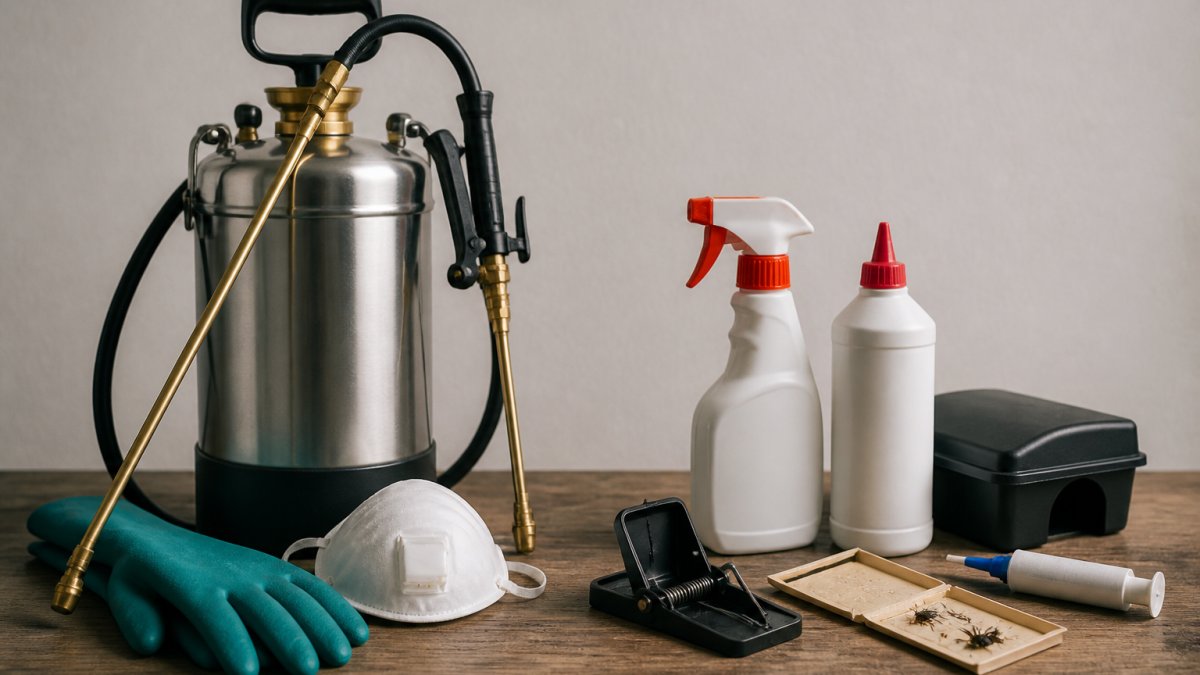
Here is the core difference in plain terms. DIY pest control is the use of retail sprays, baits, and traps by a homeowner to treat visible pests. Professional pest control is a technician-led service that identifies the pest and applies treatment.
| Factor | DIY Treatments | Professional Service |
|---|---|---|
| Product strength | Consumer-grade, limited residual | Professional-grade, longer residual |
| Source treatment | Visible activity only | Entry points and harborage |
| Pest identification | Guesswork | Inspection-based |
| Follow-up | None unless you repeat it | Scheduled rechecks |
| Best for | Occasional, minor sightings | Established or recurring infestations |
That table is the whole argument in miniature. The rest of this article explains where each approach genuinely works and where it quietly fails.
Store-bought products deliver shorter results because they are formulated for household safety and shelf life, not for lasting residual protection. A contact kill removes the pest you spray. It does little to the colony, nest, or population behind the wall.
Improper application is one of the most common reasons a DIY treatment fails: the product was right, but the placement, dose, or timing was wrong.
Duration is where the gap widens. Many retail treatments need repeat application within weeks to hold any ground.
DIY pest control fails because it treats symptoms, not the root cause. Spraying an ant trail kills the ants on the counter. It does nothing about the moisture, gap, or food source pulling them inside.
Three failures show up again and again:
There is a place for DIY. Green Pest Management’s DIY pest control guide notes that DIY methods may work for occasional ants, flies, spiders, or a small number of pests entering from outdoors, while effectiveness becomes more limited as the problem grows. That is a fair summary. The trouble starts when a minor sighting becomes a recurring infestation and the same spray bottle keeps coming out.
DIY treatments handle occasional, isolated pests reasonably well. They struggle with species that nest out of sight, reproduce fast, or build colonies inside the structure. The table below goes pest by pest, with the mechanism behind each verdict and a realistic timeline for what a homeowner should expect.
| Pest | DIY Outlook | Why | Realistic DIY Timeline |
|---|---|---|---|
| Occasional ants | Fair | Retail baits work when foragers find them and carry the active ingredient back to the colony; success depends on species and bait preference | Several days to two weeks for a small trail |
| Spiders | Fair | Removal, web clearing, and reducing the insects they feed on usually solves isolated sightings | Immediate removal; recurrence depends on prey and entry points |
| Flies | Fair | Source removal (garbage, moisture, decaying organic matter) is usually enough; sprays only kill adults present | Days once the source is removed |
| Cockroaches | Poor | Harborage is hidden in voids and cracks, breeding is fast, and retail gels and sprays rarely reach the population | Repeat applications with little lasting reduction |
| Termites | Not suitable | Structural damage risk is high, colonies extend beyond the structure, and consumer products cannot treat the soil or gallery system | Not a DIY candidate |
| Rodents | Poor | Entry points and nesting sites are missed, and traps alone do not stop reinvasion | Temporary knockdown, then return |
| Bed bugs | Poor | Treatment coverage must be total, including seams, voids, and adjacent units; missed individuals restart the infestation | Repeated failures are common |
Cockroaches are the clearest test case. A study in PubMed Central on integrated pest management in public housing concluded that a modest, single-visit integrated pest management intervention was more effective at reducing cockroach populations and allergen levels than the comparison approach studied. Note what did the work: a structured intervention, not a can of spray.
A few pest-specific notes are worth adding. Ant baits succeed or fail on whether the foragers find them and whether the active ingredient is slow enough to be shared before it kills the carrier. Rodent work is really exclusion work: traps remove the animals present, but sealing gaps around pipes, doors, and the foundation is what stops the next group.
There is a place for DIY. Green Pest Management’s DIY pest control guide notes that DIY methods may work for occasional ants, flies, spiders, or a small number of pests entering from outdoors, while effectiveness becomes more limited as the problem grows. That is a fair summary. The trouble starts when a minor sighting becomes a recurring infestation and the same spray bottle keeps coming out.
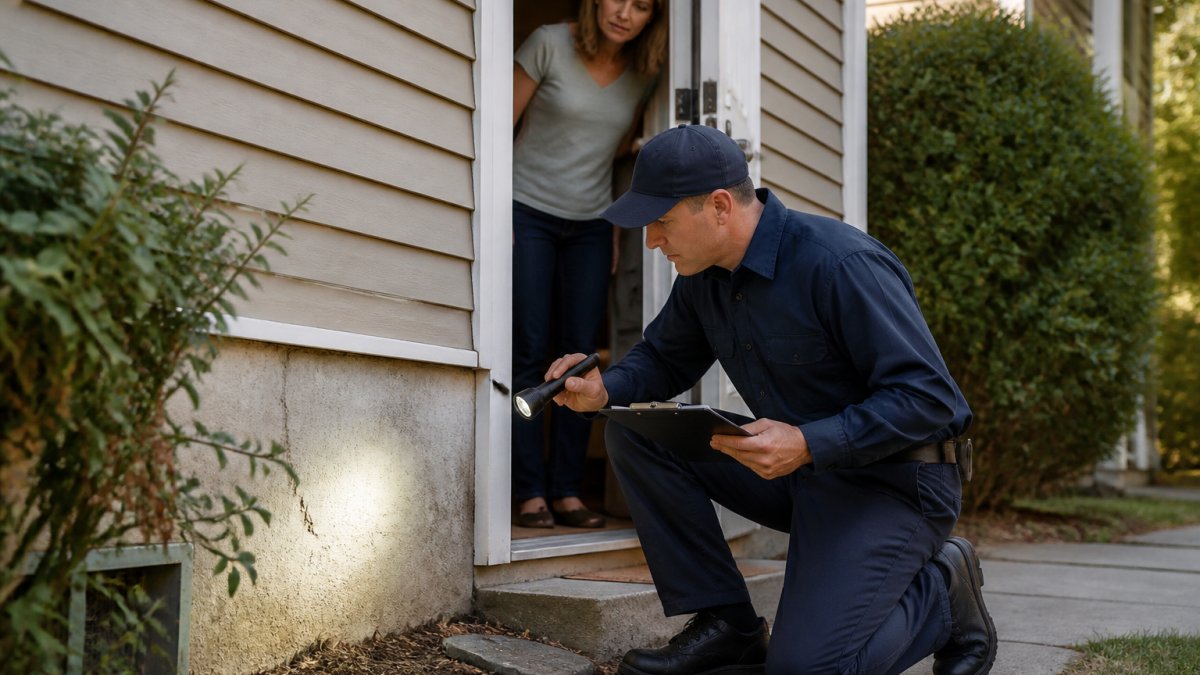
Call a professional when you see pests in more than one room, when activity returns within weeks of treatment, or when you find droppings, gnaw marks, or structural damage.
Click Here To Make Your Payment Online →
Other triggers worth taking seriously:
If you are weighing a call, it helps to know the questions to ask before you hire a local pest control company so the first conversation covers treatment plan, follow-up, and what happens if activity returns.
Timing depends on the pest, the product, and how established the infestation is. The table below breaks that down by pest and compares it with what a homeowner typically sees from a DIY attempt.
| Pest | Professional Timeline | DIY Timeline | What Drives the Difference |
|---|---|---|---|
| Ants | Visible reduction within a week; colony collapse over one to three weeks | Days for visible ants; colony often survives | Professional baits are matched to species and placed on forager routes |
| Cockroaches | Reduction within one to two weeks; follow-up confirms | Temporary knockdown, then rebound | Harborage treatment and growth regulators reach the population |
| Rodents | Several days to two weeks; exclusion work determines whether they return | Traps catch some; reinvasion common | Entry-point sealing and nesting removal |
| Bed bugs | Weeks, with scheduled rechecks | Repeated failures | Total coverage of seams, voids, and adjacent units |
| Termites | Months for colony elimination; monitoring continues | Not a DIY candidate | Soil and gallery treatment reaches the colony |
DIY results are harder to predict. Contact sprays knock down what is present in minutes, then protection fades. That short window is exactly why repeat treatment becomes a habit rather than a fix. A homeowner who sprays every few weeks is not solving the problem; they are resetting the clock.
A useful way to read these timelines is to ask what has to happen for the infestation to actually end. For ants and roaches, the colony has to stop reproducing. For rodents, the entry points have to close. For bed bugs and termites, the hidden population has to be reached. Professional timelines are longer because they are built around those outcomes, not around the visible knockdown.
Integrated pest management for homeowners is a prevention-first method that combines inspection, sanitation, exclusion, and targeted treatment instead of routine blanket spraying. The EPA’s integrated pest management principles recommend trying prevention first and choosing effective, lower-risk controls, including targeted chemical options, before relying on more intensive measures.
In practice, that means sealing gaps around pipes and doors, fixing moisture problems that attract pests, storing food properly, and treating only where the pest actually lives.
This is the angle most DIY guides skip. Killing pests is the easy half. Removing what invites them is the half that keeps them gone.
Choose DIY for a single stray pest and a problem you can find and fix yourself. Choose professional help when the infestation is established, recurring, or hidden inside the structure.
Ask three questions before you decide:
Two or more “no” answers point to professional service.
Professional pest control generally delivers more lasting results because technicians use professional-grade products, inspect for hidden entry points, and treat the source rather than just visible activity. DIY can handle minor, occasional pests, but effectiveness drops as infestations grow or become established.
DIY treatments work best for small, contained problems: occasional ants, a few spiders, or pests entering from outdoors. DIY methods may be effective in these limited cases. The key is catching the problem early, identifying the pest correctly, and combining store-bought products with prevention like sealing cracks and removing food sources. Once activity is recurring or widespread, DIY results become unreliable.
Pests return after DIY treatment because store-bought products often kill only the visible insects without reaching the nest, eggs, or entry points. Surface spraying leaves no lasting residual protection, and improper application can cause treatment failure. Professionals inspect for the root cause, such as moisture, gaps in the foundation, or harborage areas, and apply targeted treatments that break the breeding cycle rather than just clearing the surface.
Timelines vary by pest and treatment type. Many pests show reduced activity within days of a professional treatment, while established infestations may take several weeks to bring under control. Factors include the species, the severity of the infestation, and whether prevention measures are in place. A professional inspection gives the most accurate timeline for your specific situation.
Yes, combining approaches can work when done carefully. Integrated pest management, which the EPA recommends, emphasizes prevention first and lower-risk controls before intensive measures. Homeowners can handle prevention tasks like sealing entry points, reducing moisture, and storing food properly, while a professional handles treatment. Always tell your technician about any products you’ve applied so treatments don’t conflict.
The pests that keep coming back are usually the ones nobody traced to the source. Emery Exterminating brings over five decades of family-owned experience, advanced and integrated pest control solutions, and coverage for both residential and commercial spaces, backed by a courteous office staff and reasonable rates. Get started with Emery Exterminating and settle the pest control vs DIY question for good.